


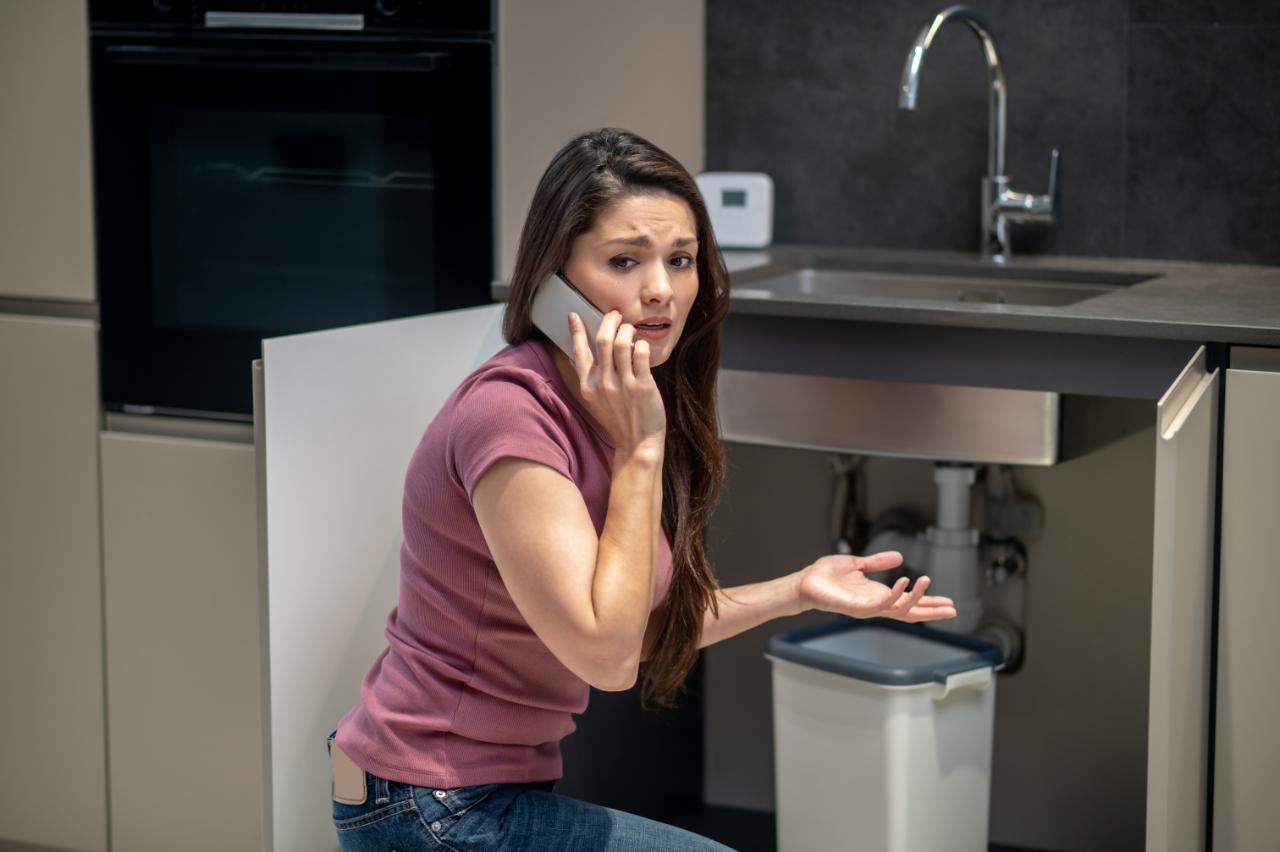
Water damage is rarely random. In Singapore homes, leaks follow patterns shaped by rainfall, building design, plumbing layouts, and neighbouring units. The problem isn’t the water itself—it’s misidentifying where it comes from. When the source is guessed wrongly, repairs fail, costs multiply, and damage spreads quietly behind walls and ceilings.
This guide walks you through a structured, methodical approach to identify whether your water damage comes from the roof, the toilet, or hidden pipes before you commit to repairs. Understanding these differences is the first step toward effective water leaking repair that actually solves the problem.
Why Leak Source Identification Saves You Thousands in Singapore
Getting the diagnosis right the first time isn’t just about convenience—it’s about protecting your wallet and your property.
Water leaking repair costs escalate dramatically when the diagnosis is incorrect. Roof leaks are often mistaken for pipe failures, leading homeowners to hire plumbers when they actually need roof leak specialists. Toilet leakage in Singapore is frequently blamed on neighbours, creating disputes and delays. Concealed pipe leaks are misdiagnosed as surface waterproofing issues, resulting in unnecessary hacking of tiles and walls.
Each error leads to multiple contractor visits, repeated repair attempts, and unresolved moisture that continues damaging your property. According to insurance claim data from providers like NTUC Income and AIA, misdiagnosed leaks account for nearly 40% of repeat claims within the same year. Accurate identification allows the correct specialist—whether for metal roof leak repair, toilet water leak repair, or concealed plumbing—to address the problem once, properly, and permanently.
The Water Stain Location Map: What Ceiling Patterns Reveal About Leak Origin
Water stains are nature’s way of pointing you toward the problem—if you know how to read them.
Water stains act like diagnostic maps, and their shape, spread, and location provide the first major clues about leak origin. Central ceiling stains that grow evenly in circular or oval patterns typically indicate hidden pipe leakage from supply lines running through the ceiling void. These stains often have a brownish or yellowish ring around the perimeter.
Stains appearing near external walls, corners, or along the perimeter of rooms usually point to roof penetration or façade water ingress. This is particularly common in units on the top floor or those directly beneath roof terraces. Circular stains located directly below bathrooms, especially with greyish or darker discolouration, frequently suggest toilet leakage or failed waterproofing membranes in the bathroom floor slab.
One critical rule: drip points are not always the source. Water travels horizontally along beams, conduits, and concrete slabs before becoming visible. A stain in your bedroom might actually originate from a bathroom leak three meters away, following the path of least resistance through ceiling voids.
Roof Leak Signatures: Weather-Dependent Symptoms and Timing Patterns
Roof leaks have one defining characteristic—they’re almost always triggered by rain.
Roof leaks follow rainfall patterns with remarkable consistency. During Singapore’s monsoon season from November to January, concrete roof leak repair and metal roof leak repair cases spike across the island. Understanding this correlation is your first diagnostic tool.
Common roof leak indicators include leaks that appear only during or immediately after heavy rain, typically within 2-6 hours of rainfall. Ceilings remain completely dry during extended dry periods of a week or more. Water marks progressively worsen after consecutive days of storms, and you’ll often notice peeling paint, bubbling, or discolouration near roof junctions, parapet walls, or skylight installations.
If leakage timing correlates precisely with rainfall data from the Meteorological Service Singapore, roof failure is highly likely. This is especially true for HDB top-floor flats, landed properties with flat roofs, and condominiums with roof terraces. Roof leak specialists can perform water ponding tests and infrared thermography to pinpoint exact failure points in waterproofing membranes before repairs begin.
Toilet Leak Indicators: The Floor, Wall, and Ceiling Clues You’re Missing
Unlike roof leaks, toilet-related water damage occurs whether it’s raining or not—and that’s your biggest clue.
Toilet leaks behave fundamentally differently from roof leaks. They occur daily and are activity-based rather than weather-dependent. These leaks stem from failed waterproofing, cracked floor traps, loose toilet bowl seals, or damaged discharge pipes.
Key signs pointing to fix leaking toilet issues include water stains appearing on ceilings directly below bathrooms, often in a circular pattern matching the toilet or shower area. You’ll notice persistently damp grout lines between floor tiles, even days after cleaning. Wall tiles near the floor may show moisture streaks or efflorescence (white powdery deposits). Floor traps may have water pooling around them that never fully dries.
Slow ceiling leaks that worsen with bathroom usage—showers, toilet flushing, or basin use—are classic toilet leakage Singapore scenarios. The moisture increases noticeably after mornings or evenings when bathroom usage peaks. According to HDB maintenance guidelines, toilet waterproofing failures are among the top three causes of neighbour disputes in multi-storey buildings.
Sewage-related leaks, particularly from broken soil pipes or damaged discharge systems, may also emit distinct odours. The NEA Singapore highlights serious sanitation and health risks associated with unresolved sewage leaks, making professional toilet water leak repair urgent in these cases.
The Smell Test: How Odour Differences Reveal Sewage vs. Clean Water Leaks
Your nose can be one of your most valuable diagnostic tools when identifying leak sources.
Different water sources produce distinctly different odours. Neutral or slightly metallic smells typically indicate clean water from supply pipes, roof runoff, or condensation. These leaks involve potable water and, while damaging, don’t pose immediate health risks.
Sour, musty, or sewage smells unmistakably suggest toilet discharge, soil pipe failure, or grey water leaks from shower drains and basins. These leaks carry bacteria and pathogens that can affect indoor air quality and resident health. If sewage odours persist or intensify, professional toilet water leak repair assessment becomes critical to prevent contamination and comply with NEA sanitation standards.
A stale, earthy smell might indicate long-term hidden moisture from concealed pipe leaks that have allowed mold growth within wall cavities or ceiling voids. This requires both leak repair and mold remediation.
Time-Based Detection: Morning vs. Evening Leaks and What They Mean
When your leak appears can be just as important as where it appears.
Leak timing reveals crucial information about the source. Leaks appearing or worsening overnight, especially between 11 PM and 6 AM when household water usage is minimal, often indicate concealed pipe pressure loss in supply lines. Singapore’s water pressure fluctuates throughout the day, and weakened pipes may only leak when pressure peaks during low-usage periods.
Leaks that intensify during evening hours (6 PM to 10 PM) correlate directly with household water usage—cooking, showering, dishwashing, and laundry. This pattern suggests the leak is usage-dependent, pointing toward bathroom fixtures, kitchen plumbing, or active supply lines rather than roof issues.
Intermittent daytime leaks, particularly in condominiums and HDBs, may involve shared plumbing stacks, common discharge pipes, or neighbour activities in units above or beside yours. Singapore Standards (SS 638) defines acceptable plumbing installation practices that help professionals trace these complex patterns through vertical and horizontal pipe networks.
The Upstairs Neighbour Factor: Cross-Unit Leak Investigation for Condo Owners
In multi-storey Singapore housing, your leak might not even originate from your unit.
Multi-storey living creates unique leak scenarios where identifying the responsible party is as important as identifying the source. Indicators of upstairs-related leaks include moisture stains precisely aligned with the bathroom layout of the unit above, delayed leaks that appear 10-30 minutes after you hear upstairs water usage, and ceiling stains that gradually shift location over weeks as water finds new paths.
HDB and MCST management resources like StrataHub provide responsibility guidelines that help determine liability before repairs begin. Generally, leaks originating from another unit’s waterproofing or plumbing are that owner’s responsibility, while building common areas fall under MCST jurisdiction. Proper documentation—photos, timestamps, and professional leak detection reports—is essential for resolving disputes and insurance claims.
DIY Isolation Tests: Step-by-Step Methods to Confirm Your Leak Source
Before calling professionals, simple controlled tests can narrow down the source significantly.
Systematic isolation helps you gather evidence and potentially save on diagnostic fees. The rain test involves monitoring leaks during dry days versus rainy days over a two-week period. Document each occurrence with photos and timestamps. If leaks only appear during or after rain, roof issues are prime suspects.
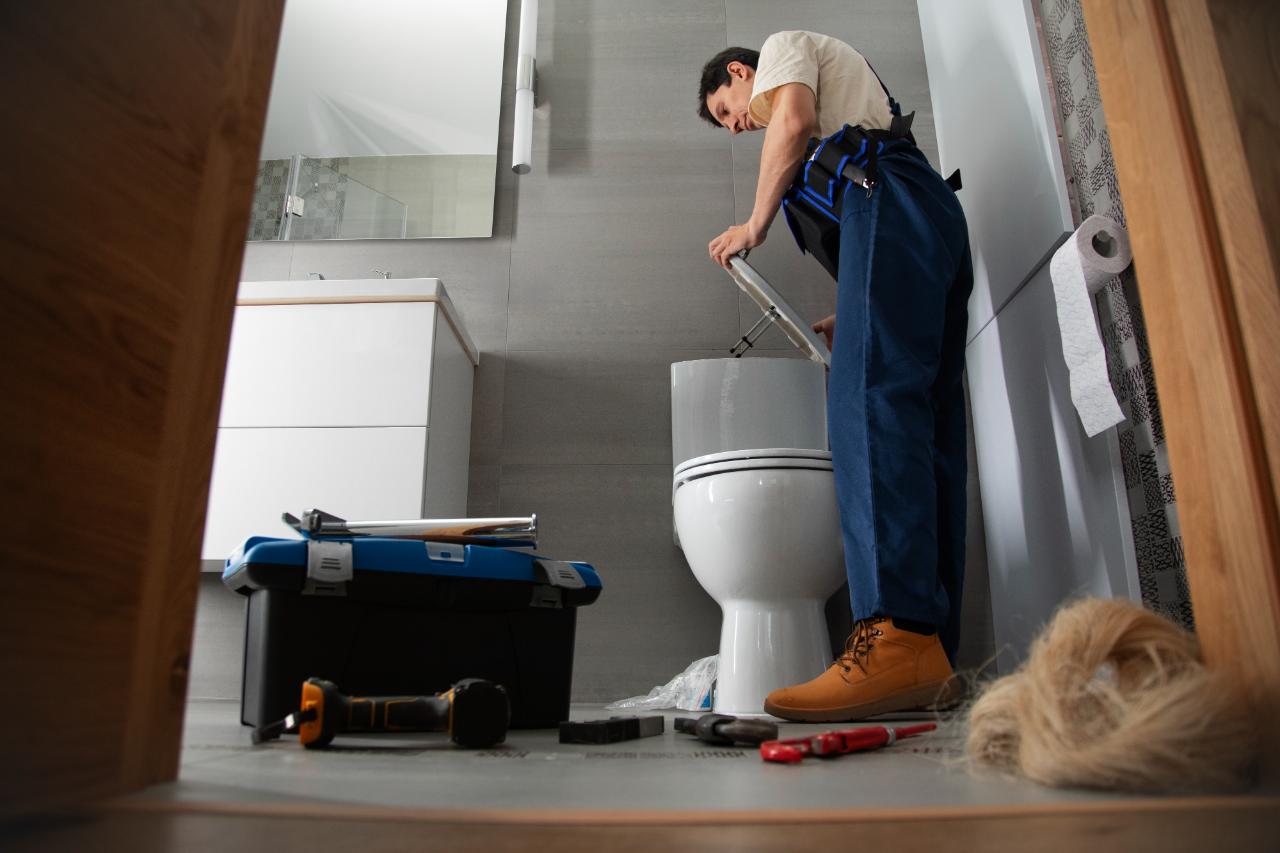
Usage isolation requires avoiding all toilet, shower, and basin use for 4-6 hours while monitoring leak behavior. If the leak slows or stops entirely during this period, bathroom-related water leaking repair is likely needed. The main valve test involves shutting off your unit’s main water supply overnight. If leakage stops completely, hidden pipe leaks within your unit’s plumbing system are confirmed.
These tests reduce misdiagnosis risk and provide valuable information to contractors, allowing them to focus investigations and quote more accurately.
When Multiple Leaks Mask Each Other: The Compound Problem Scenario
Sometimes you’re not dealing with one leak—you’re dealing with several, and that changes everything.
Some homes suffer from simultaneous leak sources. A concrete roof leak repair issue may coexist with a concealed pipe failure, creating overlapping symptoms that confuse even experienced contractors. You might notice ceiling stains that don’t follow expected patterns, leaks that occur both during rain and dry periods, or moisture problems that partially improve with one repair but never fully resolve.
Professional water leak detection services like the one offered by B4 Water Leakage Specialist use advanced tools – moisture mapping, thermal imaging, acoustic leak detection, and pressure testing—to separate overlapping issues accurately. BCA building diagnostic standards recommend comprehensive assessment when symptoms suggest multiple sources, as treating only one leak while ignoring another wastes resources and allows continued damage.
Emergency Decision Matrix: Which Leak Type Requires Immediate Professional Help
Not all leaks are equal—some demand immediate action to prevent catastrophic damage.
Certain leak scenarios require immediate professional intervention, regardless of source identification. Call for emergency water leaking repair when water actively drips through electrical points, switches, or light fixtures, creating electrocution risk. Sewage odours indicating toilet discharge or soil pipe failure pose health hazards requiring urgent toilet leakage Singapore specialists.
Structural elements showing saturation—soft or spongy ceilings, sagging plasterboard, or water-stained beams—suggest serious load-bearing concerns. Concrete spalling visible on ceilings or beams, where concrete surface breaks away revealing rusty reinforcement bars, indicates advanced deterioration governed by BCA structural safety standards.
Left untreated, these conditions escalate from simple water leaking repair into major structural rehabilitation projects costing tens of thousands of dollars.
Cost Implications: Why Knowing Your Leak Source Before Calling Saves Money
Accurate diagnosis determines whether you need roof leak specialists, toilet specialists, or plumbers—and prevents paying for the wrong service.
Correct identification upfront determines your repair path and cost structure. Roof leak specialists for metal roof leak repair or concrete roof leak repair typically charge differently than plumbers handling concealed pipes. Misdiagnosis means paying for unnecessary inspections, aborted repairs, and multiple contractor callouts.
Insurance providers like NTUC Income, AIA, and FWD often require documented professional diagnosis before approving water damage claims. Providing clear evidence of leak source, failed attempts at repair, and professional assessment reports strengthens claim approval rates and settlement amounts.
Why This Matters
Water damage spreads silently through concrete, within wall cavities, and along ceiling voids. Early, accurate identification limits repair scope, protects structural integrity, prevents mold growth, and avoids repeated failures that damage both property value and quality of life.
Our Professional Approach
B4 Water Leakage uses systematic diagnostics combining visual inspection, non-destructive moisture mapping, thermal imaging, and controlled pressure testing to identify leak origins before repairs begin. Our structured approach eliminates guesswork, prevents unnecessary hacking, and ensures repairs target actual problems rather than symptoms.
What You Can Do Next
If your leak source remains uncertain despite these diagnostic steps, request a professional assessment from B4 Water Leakage Specialist to confirm the exact cause before proceeding with repairs. Our team conducts thorough multi-point inspections, provides detailed diagnostic reports for insurance purposes, and recommends precise repair solutions—whether you need roof leak specialists, toilet water leak repair, or concealed pipe rehabilitation. Contact our team today for expert leak detection and permanent solutions.
