


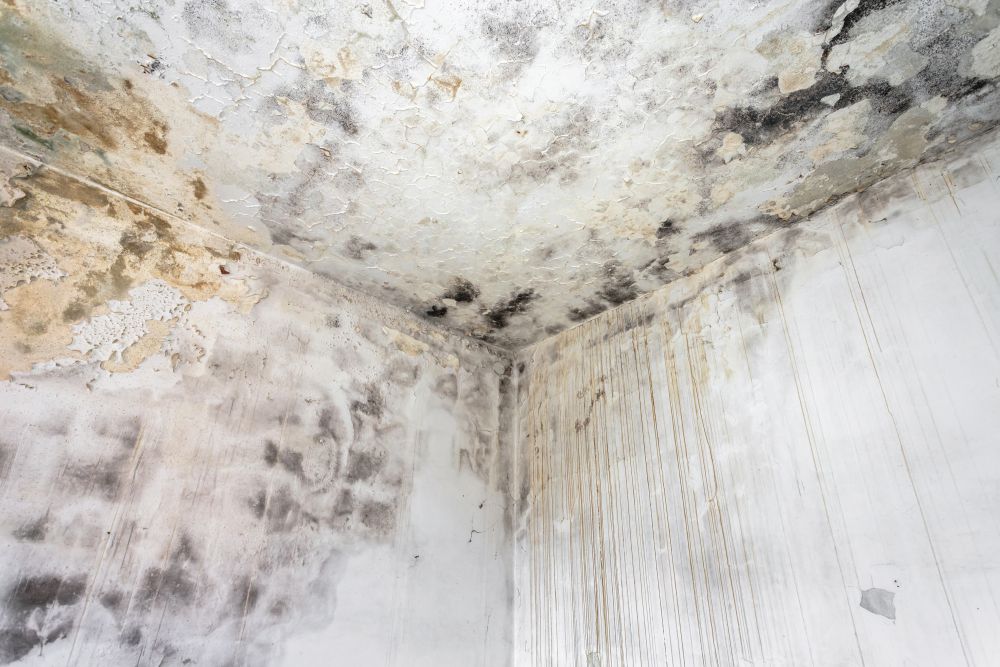
Every building in Singapore is fighting a quiet, constant battle against water. Heavy afternoon storms, high humidity and daily showers all test the layers that keep moisture out of concrete. When those layers fail, the damage often starts out of sight and only shows itself as a stain, a musty smell or a drip from the ceiling. This guide to waterproofing singapore explains what property owners need to know, from early warning signs to repair options and costs.
What Is Waterproofing and Why Does It Matter?
Waterproofing is the system of membranes, coatings and sealants that stops water from passing through a building’s structure. Concrete looks solid, but it is porous. Without a proper barrier, water slowly works its way through slabs, walls and joints.
Singapore’s climate makes this barrier especially important. The country’s long-term mean annual rainfall is more than 2,100mm, and much of it falls in short, intense bursts. Good waterproofing matters because it:
- Protects the concrete and steel reinforcement inside the structure
- Prevents mould, damp and unpleasant odours
- Stops leaks from damaging ceilings, furniture and electrical fittings
- Avoids disputes with neighbours over leaks between units
- Preserves the value of your property
Left unchecked, waterproofing leakage can turn a small defect into a structural repair bill.
Common Signs of Water Leakage and Seepage
Water is patient. It can travel along cracks and pipes for some distance before it appears, so the visible sign is not always directly under the source. Knowing what to look for helps you act early.
Signs on Ceilings and Walls
- Yellow or brown water stains
- Peeling paint, bubbling plaster or white powdery deposits
- Damp patches that grow after rain or showers
- Rust stains or cracked, flaking concrete
Signs on Floors and Fixtures
- Loose, hollow-sounding or cracked tiles
- Discoloured or mouldy grout lines
- Swollen skirting boards or timber flooring
- Water pooling near floor traps or around the base of the toilet
Other Warning Signs
- A musty smell that will not go away
- Higher water bills without a clear reason
- Dripping sounds when no taps are running
If you notice several of these signs together, it is time to speak to a water leakage specialist before the problem spreads.
Which Areas of a Property Need Waterproofing?
Any part of a building that is regularly exposed to water needs a reliable waterproofing system. The most common problem areas include:
- Bathrooms and toilets: Daily showers and floor washing put constant pressure on the membrane under the tiles.
- Kitchens: Sinks, dishwashers and washing machine points can leak into the slab.
- Roofs: Flat concrete roofs face rain, sun and ponding water all year round.
- Balconies and planters: Standing water and plant roots can attack the membrane.
- External walls: Wind-driven rain can enter through cracks and window joints.
- Basements and lift pits: Groundwater pushes against walls and floors from outside.
- Water tanks and swimming pools: These hold water under pressure for long periods.
Experienced waterproof specialists will usually check several of these areas at once, because a leak in one zone can easily be mistaken for a problem in another.

What Causes Waterproofing Failure?
No waterproofing system lasts forever. Failure is usually caused by a mix of age, workmanship and the conditions the building faces every day.
Age and Wear
- Membranes become brittle, cracked or loose over time
- Sealants around joints shrink and peel
- Grout becomes porous and lets water slip behind tiles
Poor Installation
- Membranes applied too thinly or without proper upturns at walls
- Inadequate detailing around pipes, floor traps and corners
- Tiles laid on a poorly prepared surface
Building Movement and Damage
- Concrete expanding and contracting with heat
- Cracks from settlement or structural movement
- Damage from renovation, drilling or heavy rooftop equipment
Drainage and Plumbing Problems
- Blocked roof outlets and floor traps
- Leaking or corroded concealed pipes
- Poor floor falls that leave water ponding
Ponding water creates a second problem too. The National Environment Agency urges owners to prevent Aedes mosquito breeding by clearing stagnant water, and flat roofs and blocked drains are easily overlooked.
How Does a Water Leakage Specialist Identify the Source?
Finding the true source of a leak is the most important step in any repair. Guesswork leads to wasted money and leaks that return. A qualified water leaking specialist will usually combine several methods:
- Site interview: Understanding when the leak started, how often it appears and whether it follows rain or showers.
- Visual inspection: Checking tiles, grout, sealants, roofs, walls and plumbing points.
- Moisture meters: Measuring damp levels in walls, floors and ceilings.
- Thermal imaging: Using infrared cameras to reveal hidden wet areas.
- Ponding or flood tests: Holding water over a suspected area to confirm the entry point.
- Pipe pressure tests: Checking concealed water supply pipes for leaks.
- Written report: Photos, findings and a recommended repair plan.
Before calling anyone, you can also run a simple check yourself. PUB’s tips on finding leaks suggest turning off all taps and watching the water meter. If it keeps moving, the problem is likely plumbing rather than failed waterproofing.
A good water leakage specialist singapore homeowners can trust will explain these findings in plain language before recommending any work.
Common Waterproofing and Water Leakage Repair Methods
The right repair depends on where the leak is, what caused it and how far the damage has spread. A reliable water leak repair company will explain why one method suits your property better than another.
Surface and Joint Repairs
- Re-grouting tiles and replacing worn silicone
- Sealing around floor traps, pipe collars and window frames
Injection Treatments
- Polyurethane or epoxy injection into cracks
- Grout injection to seal bathroom floors without removing tiles
Membrane Systems
- Liquid-applied polyurethane, acrylic or cementitious coatings
- Torch-on bitumen sheet membranes for roofs and large flat areas
- Full re-waterproofing after removing tiles and screed
Plumbing and Drainage Works
- Repairing or replacing leaking concealed water pipes
- Clearing outlets and correcting floor or roof falls
Many leaks need a combination of methods. For example, a single water leaking repair might involve sealing a crack, fixing a floor trap and applying a fresh membrane over a small section.
When Should You Engage a Water Seepage Contractor?
Some issues can wait for routine maintenance, but others need prompt attention. Engage a water seepage contractor when:
- Water is dripping from the ceiling or light fittings
- Stains or damp patches keep growing
- Leaks return after earlier repairs
- Your neighbour reports a leak from your unit
- You notice rust stains or flaking concrete
- You are planning a renovation and want the waterproofing checked first
Acting early matters. Long-term seepage can reach the steel inside concrete and cause spalling concrete, which is far more costly to fix than a leak.
Responsibility can also affect timing. For HDB flats, ceiling leaks between flats are generally a shared responsibility between upper and lower floor owners. In condominiums, leaks from common property such as roofs are usually handled by the MCST, and BCA’s strata management guides explain how management corporations look after shared areas.

How to Choose a Waterproofing Company in Singapore
Choosing the right team matters as much as choosing the right product. Before you commit, ask these questions:
- How will you find the source of the leak? Look for proper testing, not guesswork.
- What repair method do you recommend, and why? The reasoning should be clear and specific.
- Will you fix the cause, or only cover the symptoms? Coating over a crack rarely lasts.
- What warranty do you offer? Ask for the terms in writing.
- Can you show photos of similar past projects? Past work is good evidence of skill.
- Will you provide a written report and itemised quotation? This helps you compare options fairly.
A trustworthy waterproofing company will welcome these questions. Be cautious of anyone who quotes for major hacking works without inspecting first.
What Affects the Cost of Water Leakage Repairs?
There is no fixed price for waterproofing singapore projects because every property and problem is different. The main cost factors include:
- Location of the leak: Roofs, bathrooms and external walls each need different access and methods.
- Size of the affected area: A single joint costs far less than an entire floor or roof.
- Repair method: Sealant and injection work is usually cheaper than full re-waterproofing.
- Need for hacking: Removing and replacing tiles adds labour, materials and time.
- Hidden damage: Corroded pipes or spalling concrete increase the scope.
- Access: High roofs or external walls may need ladders, scaffolding or gondolas.
- Warranty length: Longer warranties often reflect higher-grade materials.
The cheapest quote is not always the best value. Proper water leakage repair singapore work that fixes the cause once usually costs less than repeated patch jobs.
FAQ
How long does waterproofing last?
It depends on the system, the quality of installation and how well the area is maintained.
Can leaks be fixed without hacking tiles?
Sometimes. Minor seepage through grout or joints may respond to injection or sealant treatments. A failed membrane across a whole floor usually needs full re-waterproofing.
How do I know if the leak is from plumbing or waterproofing?
Turn off all taps and watch your water meter. If it keeps moving, plumbing is the likely cause. A water leaking specialist can confirm this with pressure and ponding tests.
Who is responsible for a leak into my neighbour’s unit?
It depends on the property type and the cause. HDB owners should check HDB’s guidance, while condo owners should speak to their MCST if common property is involved.
Does my condo roof leak need a private contractor?
If the roof is common property, the MCST is usually responsible. Report the leak to your management office first.
Why does a leak keep coming back after repair?
Repeat waterproofing leakage usually happens because the true source was never found. A thorough inspection by experienced waterproof specialists helps avoid repeat repairs.
Contact B4 Water Leakage to Discuss Your Waterproofing Needs
Leaks rarely fix themselves, and every week of seepage adds to the damage. B4 Water Leakage is a water leak repair company that inspects properties carefully, traces leaks to their source and recommends repairs that suit your property and budget.
Whether you need a single water leaking repair or a complete membrane replacement, our team will walk you through the findings in plain terms. As a water leakage specialist singapore property owners rely on, we focus on lasting fixes rather than quick cover-ups.
If you are looking for dependable water leakage repair singapore services or expert advice on waterproofing singapore, contact B4 Water Leakage today to arrange an inspection.
