


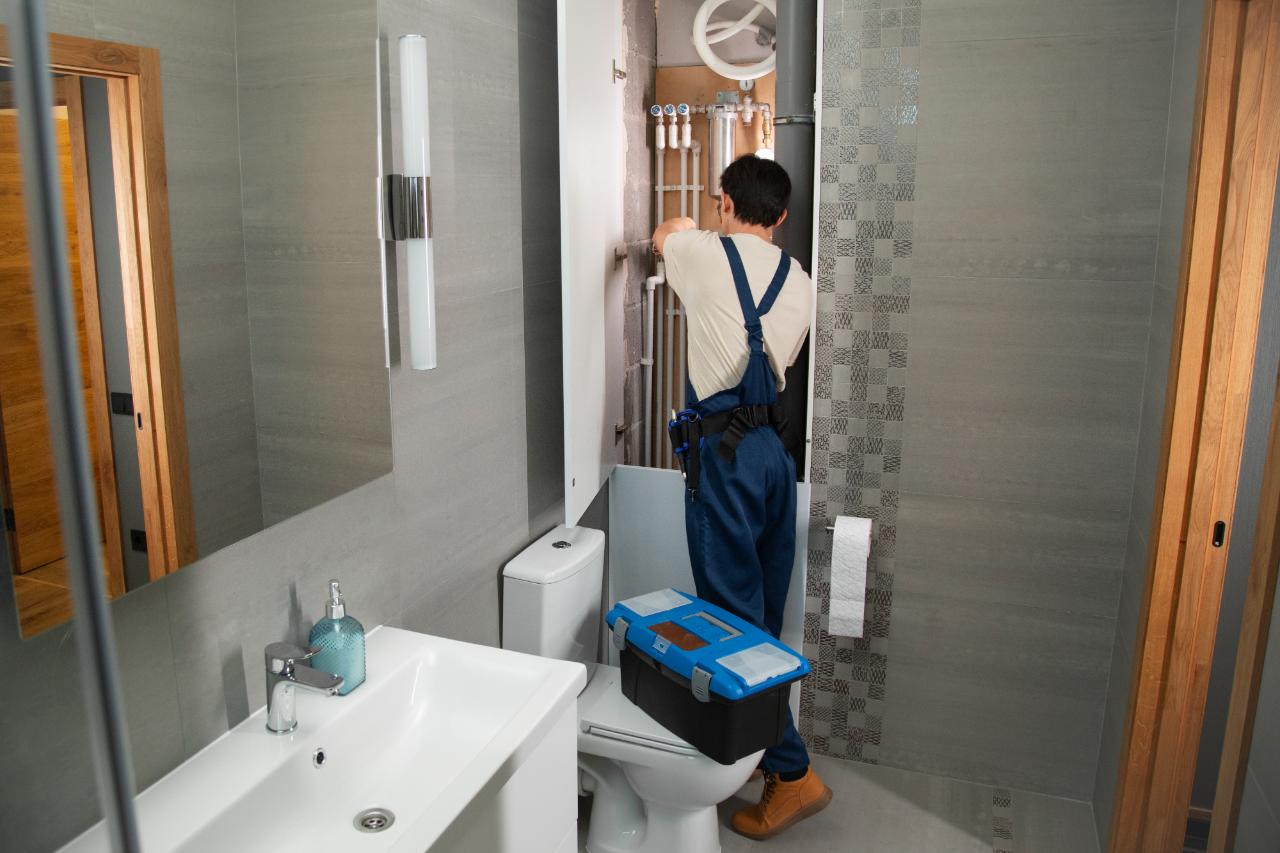
Water damage rarely reveals its true source clearly. A stain on the ceiling, peeling paint, or a musty smell often leads homeowners to fix the visible problem instead of the actual one. In Singapore’s dense, multi-storey housing environment, this mistake is expensive. A ceiling stain may look like a roof issue, but it could originate from an upstairs bathroom. A damp wall near the toilet may suggest bathroom leakage, while the real cause is roof waterproofing failure that travels internally before surfacing. Incorrect diagnosis leads to repeated repairs, prolonged disputes with neighbours or MCSTs, and escalating costs. This guide explains how to systematically assess whether your water damage requires roof leakage waterproofing, bathroom leakage waterproofing, or a combined waterproofing solution—before you commit to repairs.
Understanding Water Travel Patterns in Multi-Story Singapore Properties
Water intrusion within buildings rarely behaves simply or predictably. While gravity influences the general direction of movement, water does not travel straight down through a structure. Instead, it follows the path of least resistance, moving laterally and diagonally along internal building elements before surfacing at a visible point.
In reinforced concrete buildings, standard across HDBs, condominiums, and many landed properties in Singapore, water commonly migrates through:
- Concrete slabs and slab-to-slab interfaces
- Beam and column junctions
- Electrical conduits and service trunking
- Pipe sleeves and penetration points
- Construction joints and hairline shrinkage cracks
Concrete is not fully waterproof. Over time, microcracks form due to thermal expansion, structural loading, and material ageing. Once water enters these micro-pathways, it can travel horizontally for several metres before encountering a weaker exit point, such as a ceiling paint layer, plaster interface, or false ceiling void.
This behaviour explains why visible damage is often disconnected from the source. As a result, roof leakage waterproofing failures may present as ceiling stains far from the roof edge, sometimes closer to internal walls or lighting points rather than directly beneath the roof. Toilet waterproofing breakdowns may affect units one or even two floors below, especially when water migrates along pipe stacks or beam lines.
Combined failures—where both roof and toilet waterproofing systems are compromised—can overlap in symptoms, making it appear as though a single repair has failed when, in fact, an untreated secondary source remains active. Because of this indirect water movement, relying solely on visual inspection or surface-level assumptions often leads to incorrect conclusions.
The Ceiling Stain Map: Location and Odour-Based Diagnostic Clues
The position, distribution, and smell of visible water damage provide the first practical diagnostic signals when assessing a waterproofing problem. While location alone cannot confirm the source, it helps narrow the range of likely causes and determines which systems require closer scrutiny.
Common Roof Waterproofing Indicators
Roof-related waterproofing failures typically affect areas that are structurally connected to the building envelope.
- Stains appearing near external walls, windows, or balcony interfaces, where roof membranes and façade junctions intersect
- Damage that spreads across large ceiling areas, rather than remaining confined to a single point
- Dampness that follows the direction of roof slopes, drainage paths, or gutter lines
- Issues affecting the uppermost occupied floor, particularly units directly beneath the roof slab
- Neutral or rain-like smell, indicating clean water intrusion
These patterns suggest water ingress from above that is dispersing internally before surfacing.
Common Toilet Waterproofing Indicators
Toilet waterproofing failures tend to be more localised and vertically consistent.
- Stains forming directly beneath bathrooms, especially shower or wet-area zones
- Damage concentrated near WC bowls, floor traps, or pipe penetrations
- Clear vertical alignment with the upstairs unit’s toilet layout
- Moisture confined to smaller, repeatable areas rather than spreading broadly
- Musty or damp smell, suggesting long-term seepage beneath finishes
- Sewage odour in severe cases, indicating pipe or floor trap issues beyond simple waterproofing failure
Odour persistence suggests trapped moisture beneath tiles or finishes, increasing long-term structural risk and mould development.
While these visual and olfactory cues are valuable, they are not definitive. Water migration within concrete structures can distort surface patterns, which is why location-based analysis is only the first step in a structured assessment process.
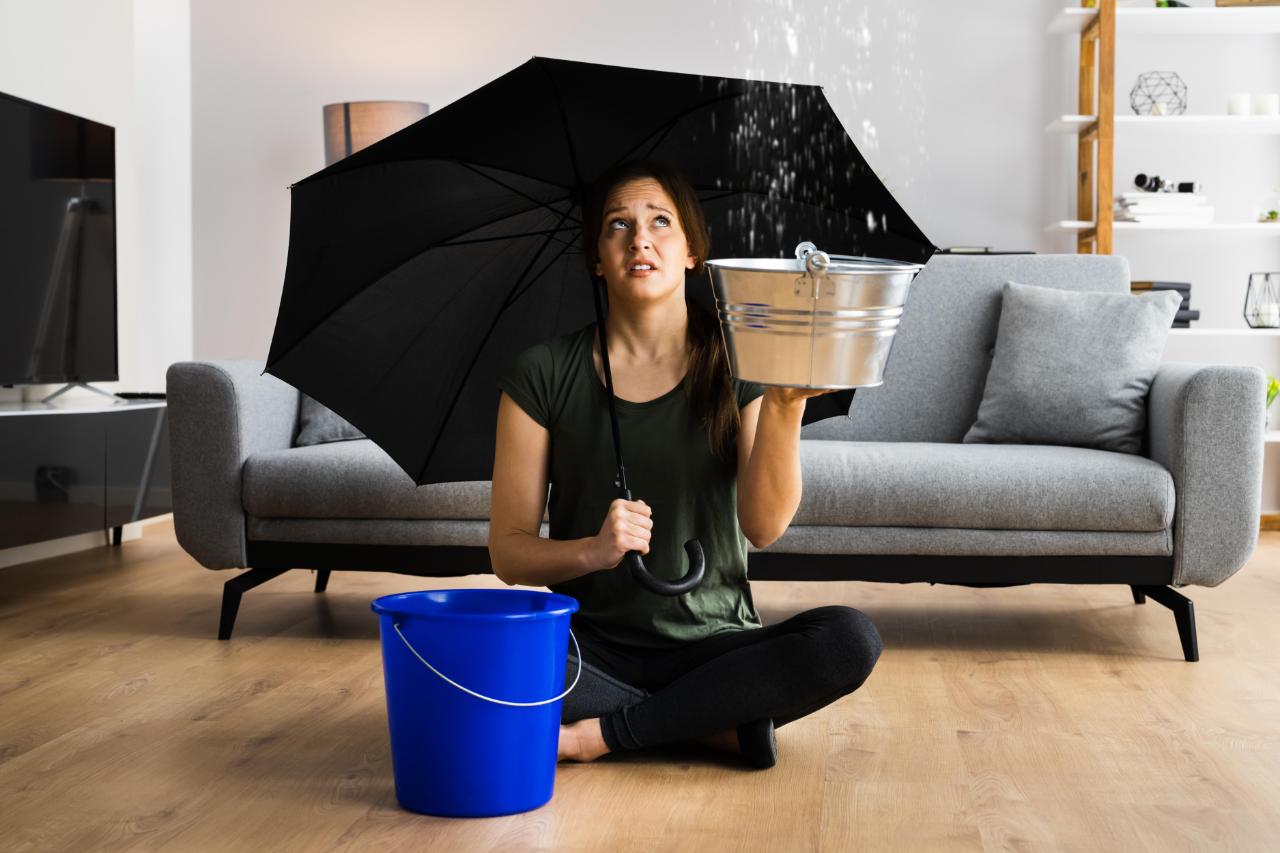
Diagnostic Patterns: How Timing Reveals Your Water Source
Timing is one of the most reliable diagnostic tools available to homeowners. By tracking when moisture appears, intensifies, or subsides, you can differentiate between roof leakage waterproofing and bathroom leakage waterproofing failures with considerable accuracy.
Weather-Dependent vs. Usage-Based Patterns
Roof waterproofing failures display a strong correlation with environmental conditions, particularly rainfall:
- Leakage that appears or worsens after heavy rain
- Damage that intensifies during monsoon seasons and subsides during dry periods
- Dripping or staining that occurs hours after rainfall has stopped, due to water stored within roof layers
- Temporary improvement during extended dry weather, followed by recurrence
- Morning moisture often correlating with overnight rainfall
The type of roof construction influences failure behaviour. Metal roofs commonly fail at fasteners, seams, and overlaps due to thermal expansion and contraction. Concrete roofs more often fail at expansion joints, hairline cracks, drainage outlets, and ageing waterproofing membranes.
Toilet waterproofing failures, unlike roof systems, are driven by occupant usage, not weather conditions:
- Leakage appearing after showers, floor washing, or prolonged bathroom use
- Moisture levels increasing during evening or early morning hours, when bathrooms are most frequently used
- Persistent dampness that shows little change regardless of rainfall
- Evening moisture often correlating with household water usage
- Year-round consistency, with no seasonal variation
Because toilet waterproofing issues progress gradually and remain active year-round, they are often mistaken for unresolved roof problems when, in reality, a usage-based leak source has been overlooked.
The Timing Test in Practice
Track when damage appears over several days to establish patterns. Morning moisture after a dry night suggests bathroom usage the evening before. Morning moisture after heavy rain points to roof leakage waterproofing failure. Evening dampness unrelated to weather indicates toilet waterproofing breakdown.
Seasonal Behaviour Analysis
Singapore’s climate amplifies roof issues during the Northeast and Southwest Monsoons, when roof waterproofing problems spike dramatically. Bathroom leakage waterproofing failures, however, remain consistent year-round with no seasonal correlation.
If your issue disappears entirely outside rainy periods, roof waterproofing solutions should be prioritised. If the problem persists through dry months with no connection to rainfall, toilet waterproofing Singapore specialists should assess bathroom membrane integrity.
When damage exhibits both weather-dependent spikes and baseline year-round moisture, you are likely dealing with compound failure requiring integrated no hacking waterproofing or dustless waterproofing strategies.
The Upstairs Investigation: When Your Neighbour’s Toilet Affects Your Ceiling
In strata properties, your ceiling damage may originate from an upstairs neighbour’s bathroom. However, responsibility and repair scope are separate matters. Even if the water source is above, your slab waterproofing layer may also be compromised, requiring toilet waterproofing work in both units to fully resolve the problem.
This complexity is why professional waterproofing assessments often involve coordinated inspections across multiple units. In HDB and condominium environments, MCST involvement or neighbour cooperation may be necessary to access all affected areas and determine the complete failure pathway.
The Compound Problem Scenario: When Both Roof and Toilet Waterproofing Have Failed
In many cases, both systems fail simultaneously—especially in older properties where maintenance has been deferred or where previous partial repairs masked underlying issues.
Indicators of Compound Failure
- Weather-dependent leaks combined with usage-based moisture spikes
- Multiple stain locations with different behaviours and timing patterns
- Previous partial repairs with no permanent resolution
- Moisture readings that fluctuate based on both rainfall and bathroom usage
- Damage progression that continues despite targeted single-system repairs
These cases require integrated waterproofing solutions that address all failure points comprehensively. Attempting to repair only the roof or only the toilet system when both have failed inevitably leads to continued leakage and wasted expenditure.
Practical Considerations: Costs, Property Types, and Insurance
Cost Implications
Understanding the financial scope of different waterproofing scenarios helps homeowners make informed decisions:
- Toilet waterproofing Singapore (no hacking): Lower mid four figures
- Roof waterproofing repair (localised): Mid four figures
- Combined roof + bathroom leakage waterproofing: Higher upfront cost, but significantly lower lifetime expense due to comprehensive resolution
Correct diagnosis prevents repeat repairs, making combined solutions more cost-effective long-term. The expense of misdiagnosis—repeated contractor visits, temporary fixes, progressive structural damage, and escalating restoration costs—consistently exceeds the cost of proper initial assessment and comprehensive repair.
Property Type Variables
Top-floor condominiums face higher roof exposure, require MCST coordination for common-property repairs, and experience roof leakage waterproofing issues more frequently than lower units. Roof waterproofing solutions often involve external façade work or common roof membrane replacement.
Landed properties present multiple roof planes, vertically stacked wet areas, and higher likelihood of compound failures. Assessment must account for complex roof geometry, multiple bathroom zones, and internal water migration across different floor levels.
HDB flats typically involve clearer responsibility boundaries, with HDB providing guidance on maintenance obligations. However, older estates may face ageing roof membranes and bathroom waterproofing systems simultaneously reaching end-of-life.
Insurance Claim Considerations
Insurance claims related to water damage are highly dependent on clear cause identification. Ambiguity over whether damage originates from roof waterproofing failure, toilet waterproofing breakdown, or plumbing defects can complicate or invalidate claims.
Most insurers require:
- Clear identification of the water source, supported by professional findings
- Photographic evidence showing damage progression over time, not just a single incident
- Formal assessment reports from qualified waterproofing or leakage specialists
Misdiagnosis is a common reason for claim rejection. Delays in addressing roof waterproofing solutions after repeated rain-related incidents may be interpreted as deferred maintenance rather than sudden damage, affecting claim eligibility.
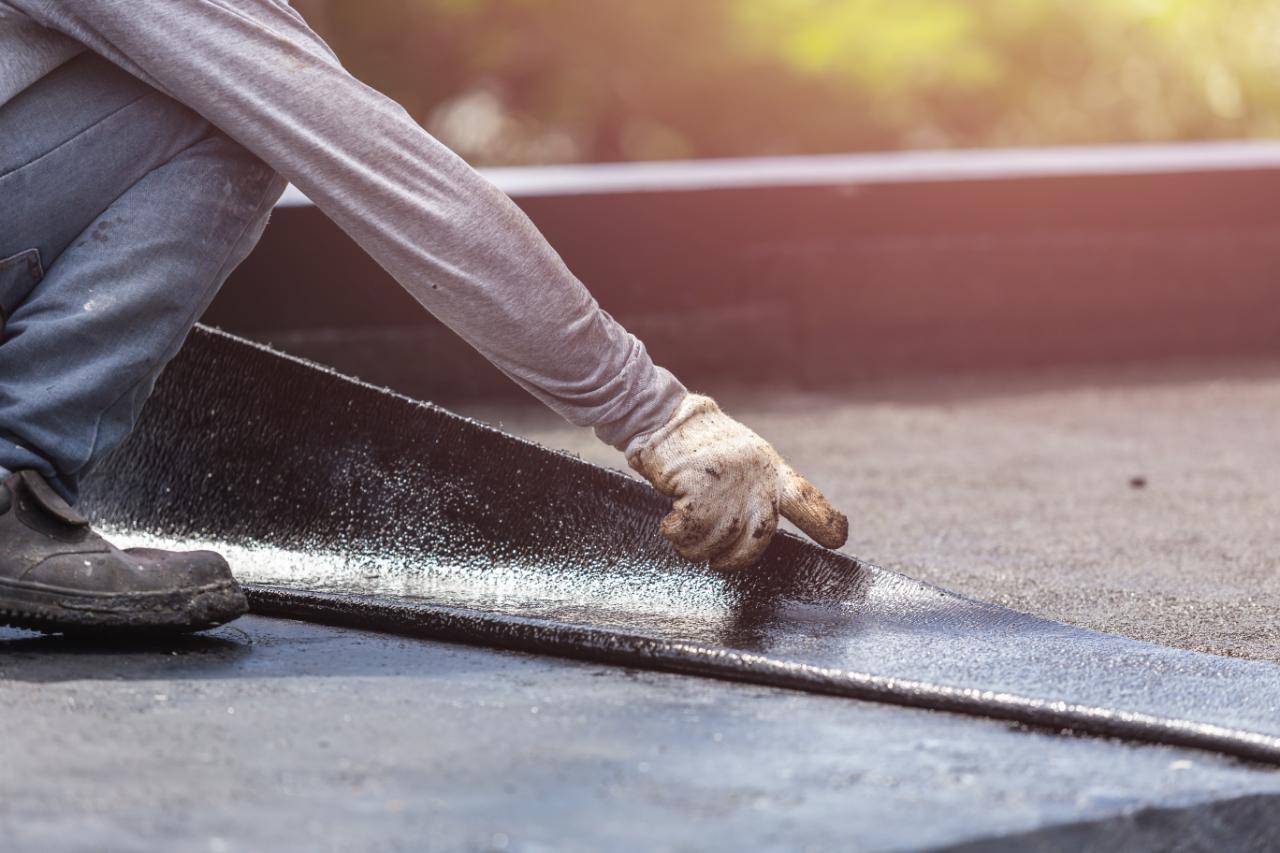
The Professional Assessment Process: What Waterproofing Specialists Look For
A professional waterproofing assessment is a diagnostic exercise, not a quotation exercise. Its purpose is to identify how, where, and why water is entering the structure before any repair methodology is selected. Reputable specialists focus on eliminating uncertainty rather than rushing to prescribe solutions.
A proper assessment typically includes:
Visual inspection and moisture mapping: Specialists document the exact location, size, and spread pattern of all visible damage. Moisture meters are used to map damp zones beyond what the eye can see, helping distinguish between active leaks and residual moisture from past incidents.
Usage and rainfall correlation analysis: Homeowner feedback on rainfall timing, bathroom usage, and leak recurrence is analysed against observed moisture behaviour. This step helps differentiate between roof leakage waterproofing failures and toilet waterproofing breakdowns that may appear similar on the surface.
Structural joint and penetration inspection: Particular attention is paid to slab joints, beam interfaces, pipe penetrations, and floor traps—all common failure points in Singapore buildings. These areas often act as conduits for concealed water migration.
Review of previous repair history: Past waterproofing works, patch repairs, or plumbing interventions are evaluated to identify partial fixes that may have altered water paths without resolving the root cause. Repeated failures in different locations often indicate untreated secondary sources.
Assessment methodologies are guided by local building standards and maintenance frameworks issued by authorities such as the Building and Construction Authority and HDB InfoWEB, which emphasise durability, correct detailing, and accountability in waterproofing works.
Emergency Triage: Which Waterproofing Failure Requires Immediate Action
Not all waterproofing issues carry the same level of urgency. Some failures allow time for investigation, while others require immediate intervention to prevent safety or structural risks.
Immediate professional attention is required when:
- Active dripping threatens electrical systems, lighting points, or distribution boards, creating fire and electrocution hazards
- Structural concrete spalling is visible, indicating prolonged moisture ingress and potential corrosion of reinforcement bars
- Mould growth accelerates rapidly, posing health risks and signalling sustained trapped moisture
Roof leakage waterproofing failures during monsoon seasons often escalate the fastest due to continuous water exposure and limited drying periods. Delaying action in such cases can significantly increase both repair scope and cost.
Prevention Strategies: Maintaining Both Roof and Toilet Waterproofing Systems Simultaneously
Long-term waterproofing performance depends on planned maintenance, not reactive repair. Effective preventive strategies include:
- Periodic roof membrane inspections, especially before and after monsoon seasons
- Bathroom waterproofing renewal during renovation cycles, rather than waiting for visible leakage
- Early moisture detection checks in high-risk areas such as top-floor ceilings and wet-area perimeters
When maintenance is scheduled proactively, waterproofing systems can be renewed before failure affects finishes, structure, or neighbouring units. In practice, planned maintenance costs are consistently lower than the cumulative expense of repeated emergency repairs and damage restoration.
Why Accurate Waterproofing Diagnosis Matters
Water damage is rarely a one-off event. When waterproofing problems are misdiagnosed, repairs often address only the visible symptoms while the underlying cause continues to develop unnoticed. This leads to repeated leakage, escalating repair costs, extended disruption to daily living, and in some cases, progressive structural deterioration.
An accurate waterproofing assessment is therefore not just a technical exercise—it is a necessary step in protecting the long-term value, safety, and integrity of your property.
At B4 Water Leakage Specialist, every project begins with a structured, non-destructive diagnostic process. Rather than assuming the source of water ingress, assessments are carried out to determine whether the issue lies with roof waterproofing repair, toilet waterproofing, or a combined system failure. This approach ensures that recommendations are based on evidence, not assumptions, and that repair works address the root cause instead of repeating partial solutions.
What you can do next: If your property is experiencing unexplained water damage or repeated leakage despite previous repairs, arrange a professional waterproofing assessment with B4 Water Leakage to accurately identify the source and implement a long-term solution before further damage occurs.
