


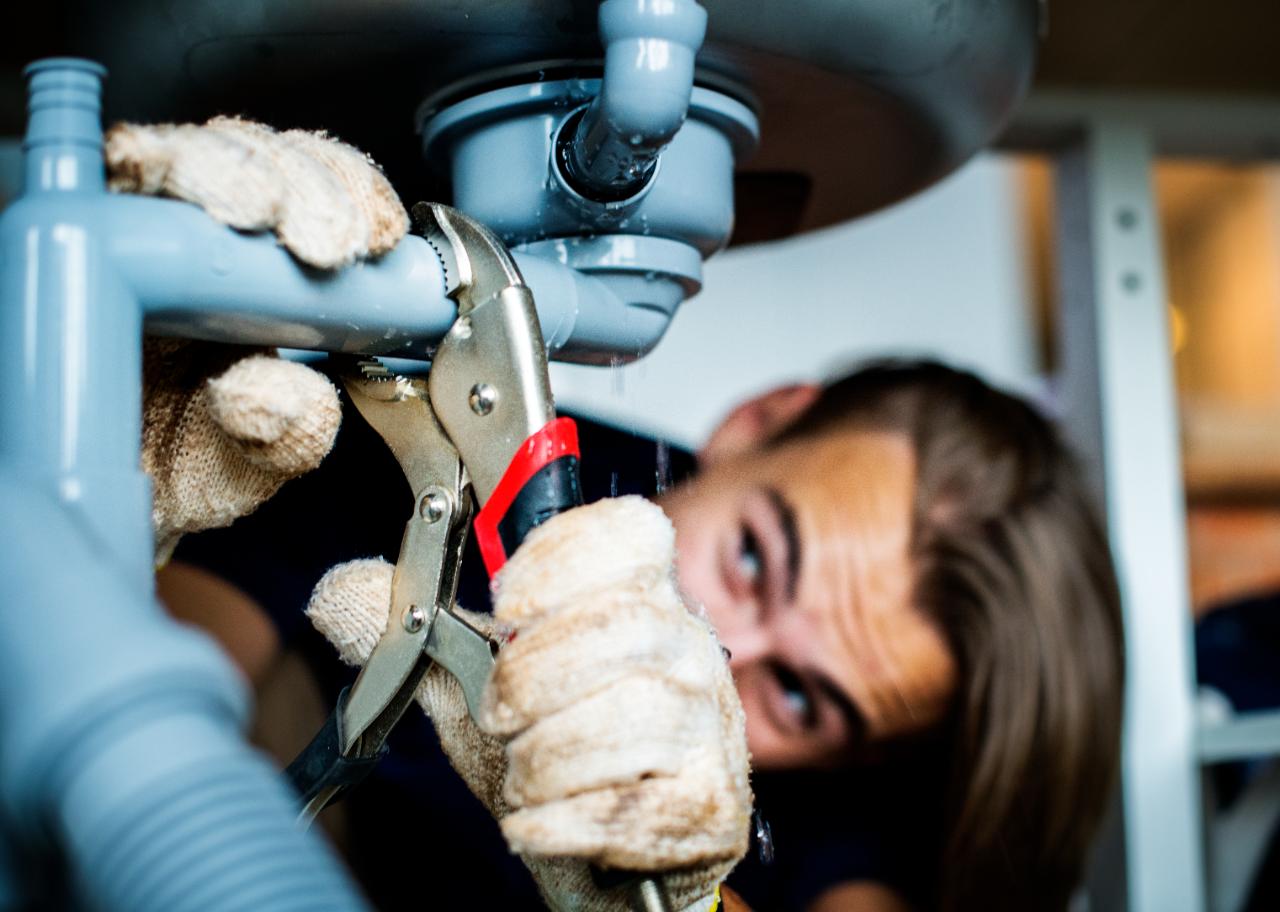
Water leakage from concealed pipes ranks among the most financially draining and disruptive problems faced by Singapore homeowners. Whether you own a condominium unit in Orchard or a landed property in District 10, the repair method you choose will directly impact your renovation budget, property downtime, and long-term home value. With Singapore’s humid climate, aging HDB estates, and increasingly strict renovation regulations, understanding the true cost difference between modern no-hacking leak repair and traditional plumbing methods has never been more critical. This comprehensive guide breaks down real costs, hidden expenses, timeline comparisons, and practical outcomes specific to Singapore properties—helping you make an informed decision that protects both your home and your wallet.
Understanding the Water Leakage Crisis in Singapore Homes
Singapore’s residential properties, particularly those built before 2000, face a ticking time bomb: aging concealed pipes. According to PUB Singapore, the average lifespan of residential copper pipes ranges from 20-30 years, while galvanized iron (GI) pipes deteriorate even faster in our humid, tropical environment.
For condo owners, concealed pipe leakage doesn’t just mean personal inconvenience—it often triggers MCST disputes, insurance complications, and potential liability for damage to units below. Landed property owners face equally challenging scenarios: structural damage, mould growth behind walls, and escalating water bills that can exceed $200-300 monthly before the leak is even detected.
The question isn’t whether to repair the leak—it’s how to repair it in the most cost-effective, least disruptive manner possible.
What “No-Hacking” Plumbing Repair Really Means
No-hacking leak repair represents a paradigm shift in Singapore plumbing works. This modern approach resolves concealed pipe leakage repair requirements without breaking tiles, demolishing walls, or tearing up flooring that took months to perfect during your last renovation. Unlike traditional methods that require destructive access to hidden pipes, no-hacking techniques leverage advanced technology and precision repair methods.
Advanced Leak Detection: Pinpointing Problems Without Breaking Walls
The foundation of this approach lies in acoustic and pressure-based leak detection, where sensitive listening devices and pressure decay testing pinpoint leak locations with over 95% accuracy—often within a 30cm radius. This precision eliminates the guesswork that traditionally led to unnecessary hacking and exploratory demolition.
Thermal Imaging Technology for Singapore Homes
Thermal imaging and moisture mapping takes diagnostics further by using infrared cameras to detect temperature differentials caused by water seepage. These cameras create visual moisture paths through walls and floors, showing exactly where water travels behind surfaces. This technology proves particularly effective in Singapore’s climate, where temperature contrasts remain pronounced even in air-conditioned environments.
Epoxy Pipe Lining: The Trenchless Solution
For pipes showing minor corrosion or pinhole leaks, epoxy pipe lining (also known as trenchless technology) offers a permanent solution. Epoxy resin is applied internally to create essentially a new pipe within the old one, extending pipe lifespan by 15-20 years without breaking a single tile. This method has been proven effective in thousands of Singapore homes over the past decade.
Surgical Access Points vs. Full Wall Demolition
When minimal physical access becomes unavoidable, specialists create small, strategic localised access points—typically just 15cm x 15cm—rather than demolishing entire walls or floor sections. These surgical openings allow for targeted repairs while preserving 95% or more of your original finishes.
Traditional Hacking: The Conventional Approach
Traditional plumbing repair follows a more invasive process: hack tiles and screed to expose pipes, replace or repair damaged sections, waterproof the area, and reinstate finishes. While this method has served Singapore homeowners for decades, its cost structure and disruption profile differ dramatically from modern alternatives. The process typically involves multiple contractors across different days, with waterproofing specialists, tilers, and plumbers all working in sequence rather than simultaneously.
The Complete Cost Comparison: Material, Labour, and Hidden Expenses
Understanding the true financial impact requires looking beyond quoted repair costs. Let’s examine the complete expense breakdown for both methods based on actual Singapore plumbing works pricing from 2025-2026.
No-Hacking Leak Repair (Comprehensive Breakdown)
| Cost Component | Typical Cost (SGD) | Notes |
| Leak detection & diagnostics | $300 – $800 | Includes report with location mapping |
| No-hacking repair method | $800 – $2,500 | Varies by technique and pipe accessibility |
| Minor access patching | $0 – $300 | Only if small access point needed |
| Materials & consumables | Included | Epoxy, sealants, or localised fittings |
| Total Estimated Cost | $1,100 – $3,500 | Completion typically within 1 day |
Why No-Hacking Costs Less: The Hidden Savings
The no-hacking approach delivers several key cost advantages that extend beyond the initial quoted price. There are zero tile removal or reinstatement expenses, which immediately eliminates one of the largest cost components in traditional repairs. The method requires no waterproofing redo in approximately 90% of cases, saving another substantial expense. Minimal labour hours—typically just 3-6 hours total—mean lower labour costs and less disruption to your daily routine. The risk of cost escalation during work remains significantly lower because there are no surprise discoveries that occur after opening walls. You also avoid debris disposal fees, skip bin rental charges, and the headaches of coordinating multiple contractors across different days.
Traditional Hacking Repair (Real-World Cost Analysis)
| Cost Component | Typical Cost (SGD) | Notes |
| Hacking & debris disposal | $500 – $1,200 | Includes skip bin rental, labour |
| Pipe replacement or repair | $800 – $2,000 | Depends on pipe material and length |
| Waterproofing works | $1,000 – $2,500 | Essential to prevent future leaks |
| Tiling & finishes | $1,200 – $3,000 | Varies significantly with tile quality |
| Grout & finishing | $200 – $500 | Often overlooked in initial quotes |
| Permit fees (if required) | $0 – $300 | HDB/MCST approval may be needed |
| Total Estimated Cost | $4,500 – $8,500+ | Can exceed $12,000 for extensive work |
The Hidden Costs That Shock Homeowners
Traditional repairs carry hidden cost risks that frequently catch homeowners off guard. The tile matching nightmare represents the most common budget explosion—discontinued tiles can force entire bathroom re-tiling, adding $3,000-6,000 to your bill. Approximately 30% of hacking projects uncover additional leaks or problems after walls are opened, triggering scope expansion and cost increases. Extended labour coordination between waterproofing, tiling, and finishing stages often causes delays that translate to additional contractor charges. If your bathroom or kitchen becomes unusable for 5-7 days, you might face temporary relocation costs or the inconvenience of using neighbours’ facilities.
The Opportunity Cost No One Mentions
Taking time off work for contractor access and supervision adds opportunity cost that rarely appears in quotations but impacts working professionals significantly. The expense of moving and protecting furniture and fixtures from dust and debris, while seemingly minor, can add several hundred dollars when professional movers are required for heavy items or when storage becomes necessary.
Real Case Study: Actual Cost Comparison
Consider this real scenario from a 3-room HDB flat built in 1998 with a concealed pipe leak in the bathroom wall. Using the no-hacking approach, the homeowner paid $450 for leak detection, $1,800 for epoxy lining repair, and $150 for minor touch-up work, totaling $2,400 with completion in just 4 hours.
The alternative traditional hacking quote included $800 for hacking, $1,200 for pipe replacement, $1,500 for waterproofing, and $4,200 for tiling. The tiling cost exploded because the original tiles had been discontinued, forcing a complete bathroom re-tile rather than a simple patch. The total came to $7,700 with completion requiring 6 full days.
The actual savings amounted to $5,300 and 5.5 days of disruption avoided—numbers that convinced this homeowner that modern methods deliver superior value for early-stage leak repairs.
Timeline Analysis: 3 Hours vs. 3 Days of Real Disruption
Time disruption carries hidden costs that rarely appear in quotations but significantly impact homeowners’ lives and finances. The difference between same-day completion and week-long renovation extends far beyond convenience.
No-Hacking Repair: Same-Day Completion
A typical no-hacking repair like the one offered by B4 Water Leakage Specialist begins at 9:00 AM with leak detection and precise location mapping, completed by 11:00 AM. The repair execution using the selected method runs from 11:30 AM to 2:30 PM, followed by quality testing and verification until 3:30 PM. Total downtime amounts to same-day completion, typically 4-6 hours from start to finish.
Living Normally During Repairs
The lifestyle impact remains minimal throughout the process. Most homeowners continue normal activities during repairs, with no need to completely clear bathrooms or kitchens. Dust and debris generation stays minimal compared to hacking work. No temporary relocation becomes necessary, and in most cases, you can use the repaired fixtures the same evening after appropriate curing periods for certain repair methods.
Traditional Repair: The Week-Long Disruption
Traditional repairs unfold across multiple days with compounding inconvenience. Day one involves tile and screed removal, pipe exposure and assessment, and debris disposal, leaving the area unusable overnight. Day two focuses on pipe replacement or repair followed by pressure testing, with no ability to proceed to the next phase until testing confirms success.
Day three and four address waterproofing, with the first membrane application followed by a mandatory 24-hour curing period, then a second waterproofing layer and a 24-hour flood test. Days five and six handle tiling work, grout application and curing, and final finishing touches. Day seven finally brings handover and final inspection, making the area usable again.
Why Timelines Always Run Over
This timeline represents the minimum 5-7 days for straightforward repairs, but complications frequently extend the process to 10-14 days. Weather conditions affecting curing times, difficulty sourcing specific materials, and coordination challenges between multiple tradespeople all contribute to delays that impact your daily life.
The Invisible Time Tax
The hidden time costs accumulate beyond the visible work schedule. Many working professionals must take leave from work for contractor coordination and site access. Multiple visits by different tradespeople—plumbers, waterproofing specialists, tilers, electricians if fixtures need temporary removal—each require your presence or arrangement of access. Material waiting periods interrupt progress, particularly when tiles need special ordering or waterproofing products are out of stock. Families with young children or elderly members find the extended disruption particularly challenging, as alternative arrangements for basic facilities become stressful over multiple days.
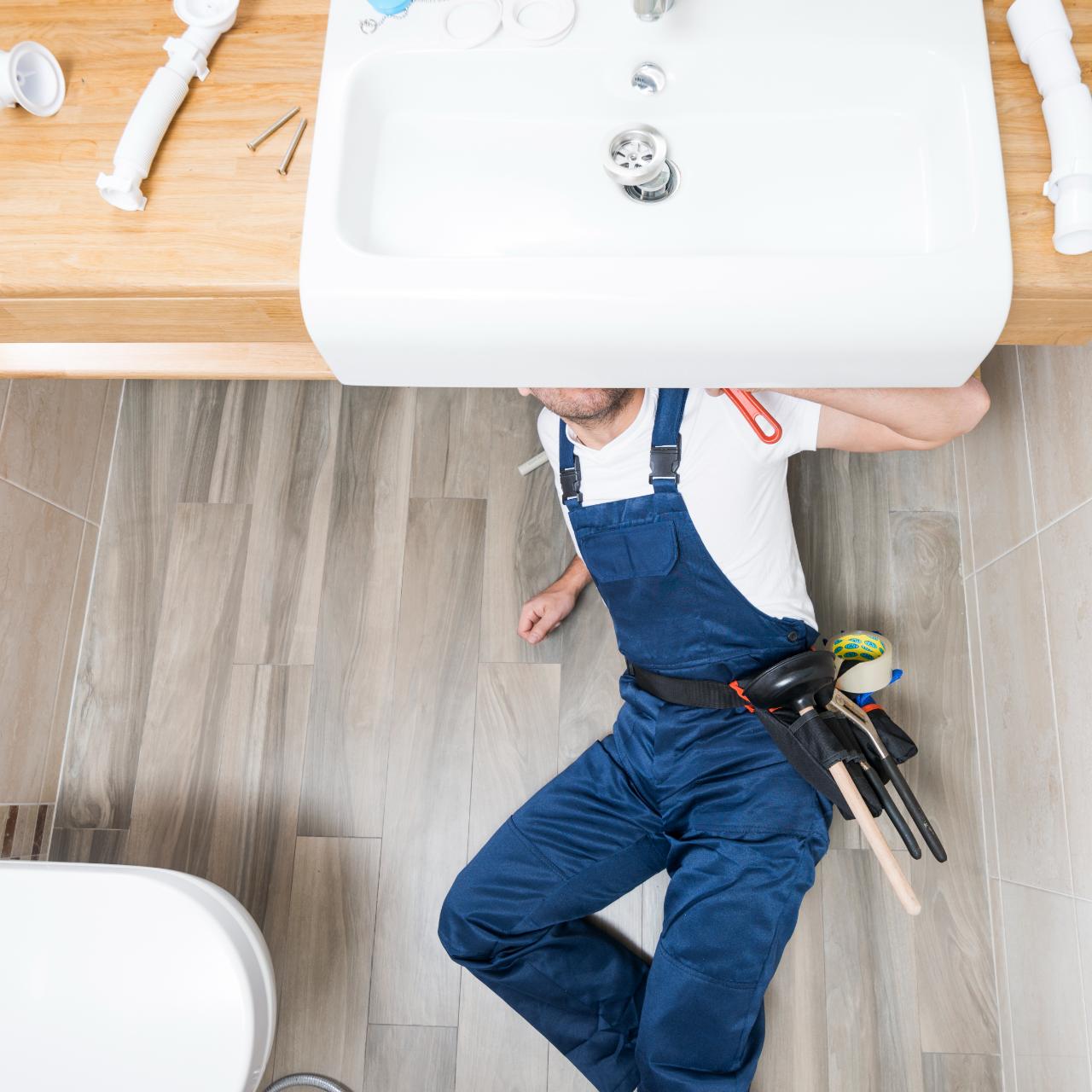
When No-Hacking Methods Work (And When They Don’t)
No-hacking repair is highly effective for:
- Pin-hole leaks in copper or GI pipes
- Hairline cracks in concealed piping
- Joint seepage without structural pipe collapse
- Intermittent leaks were detected early
Traditional methods are still necessary when:
- Pipes are severely corroded or collapsed
- Large sections require full replacement
- Pipes are undersized or improperly installed
- Structural modifications are already planned
A professional diagnostic assessment is essential before deciding.
Insurance Coverage Differences: What Your Policy Actually Pays For
Most Singapore home insurance policies cover water damage to contents and emergency repairs, but typically exclude gradual pipe deterioration, tile replacement, and waterproofing reinstatement—classifying these as maintenance, not damage.
No-hacking methods reduce your out-of-pocket costs dramatically. Even with substantial coverage limits, homeowners pay 100% of reinstatement work themselves. One real comparison: using no-hacking cost $2,800 total with $1,500 covered by insurance (out-of-pocket: $1,300). Traditional methods cost $7,500 total with only $1,500 covered (out-of-pocket: $6,000).
Always consult your insurer before proceeding to understand coverage limits.
Tile Matching Nightmares: The Hidden Cost Traditional Methods Don’t Disclose
For properties older than 10 years, tile matching is nearly impossible. Manufacturers discontinue designs every 5-7 years, older tiles show colour drift, and new grout never matches aged grout.
The financial impact escalates quickly. Simple matching attempts cost $800-1,500 but often fail. Complete bathroom re-tiling reaches $3,500-7,000, sometimes forcing $6,000-12,000 “upgrades” that transform a simple repair into a full renovation.
One Bukit Timah homeowner faced a discontinued Italian marble situation: either accept visible patchwork or re-tile the entire bathroom at $18,000. The $3,000 repair became a $21,000 renovation.
No-hacking methods eliminate this risk entirely by preserving your original finishes.
ROI Analysis: Which Method Saves Money in the Long Run?
No-hacking repair delivers 40-60% cost savings upfront, preserves property aesthetics (protecting resale value), and extends pipe life 15-20 years. Estimated 10-year ownership cost: $2,500-3,500.
Traditional repair costs $4,500-8,500 initially with new pipes lasting 25-30 years. However, 15-20% develop waterproofing failures within three years requiring additional work. Estimated 10-year ownership cost: $7,000-11,000.
Traditional methods make sense when: your property is 30+ years old with systemic issues, you’re renovating within 12-24 months anyway, insurance covers most costs, or pipes need upgrading to meet current standards.
Why Choosing the Right Method Matters More Than You Think
Concealed pipe leaks worsen exponentially. Week 1-2: minor seepage. Month 2: tile debonding. Month 3-4: concrete spalling risk. Month 6+: mould growth, electrical hazards, neighbour complaints. Singapore’s humidity accelerates this timeline—damage that takes 6 months elsewhere happens in 3-4 months here.
For condo owners, delays trigger MCST liability, damage claims from lower units, potential arbitration costs, and future disclosure requirements that affect property sales.
Our Professional Approach to Concealed Pipe Leakage Repair
At B4 Water Leakage Specialist, we follow a proven 4-phase process:
Phase 1: Precision Diagnostics – Advanced leak detection (acoustic, thermal, pressure-decay) with camera inspection and detailed reports accurate within 30cm.
Phase 2: Method Selection & Education – Clear cost comparisons, honest success probability assessments, and timeline breakdowns. No pressure tactics.
Phase 3: Transparent Quotation – Itemized costs, detailed scope documentation, completion guarantees, and written warranties.
Phase 4: Execution & Quality Assurance – Licensed PUB-registered plumbers, compliance with Singapore Standards, post-repair pressure testing, and photographic documentation.
Our Track Record: 500+ successful no-hacking repairs, 96% first-time fix rate, average 4.5-hour completion time, zero structural damage incidents in 8+ years.
Take Action Before Damage Escalates
Warning signs requiring urgent professional assessment: Unexplained water bill spikes ($50+ monthly), damp spots on walls/ceilings/floors, musty odours, peeling paint, sound of running water when taps are off, warm floor spots, or neighbour complaints.
Your Action Plan:
- Schedule Professional Leak Detection ($300-600) – Don’t DIY; saves thousands in misguided repairs
- Get Comprehensive Assessment – Understand overall pipe health, not just leak location
- Compare Both Methods – Request itemized quotes for no-hacking and traditional approaches
- Verify Credentials – Confirm valid PUB licenses and professional indemnity insurance
- Document Everything – Photos, correspondence, and repair records protect you during claims
Contact B4 Water Leakage Specialist for Expert Assessment
Don’t let concealed pipe leaks drain your finances and damage your property. We provide same-day leak detection appointments, honest repair recommendations, guaranteed pricing with no hidden costs, licensed PUB-registered plumbers, and comprehensive warranties on all work.
Get your free consultation: Contact B4 Water Leakage Specialist at +65 6278 4484 / +65 9644 8181 or visit our website to schedule your assessment. Early intervention saves money. Professional diagnosis provides clarity. The right repair method protects your home.
Related Services:
- Bathroom Waterproofing – Preventive solutions for long-term protection
- Concrete Spalling Repair – Addressing structural damage from prolonged leaks
- Plumbing Services – Comprehensive residential and commercial solutions
