


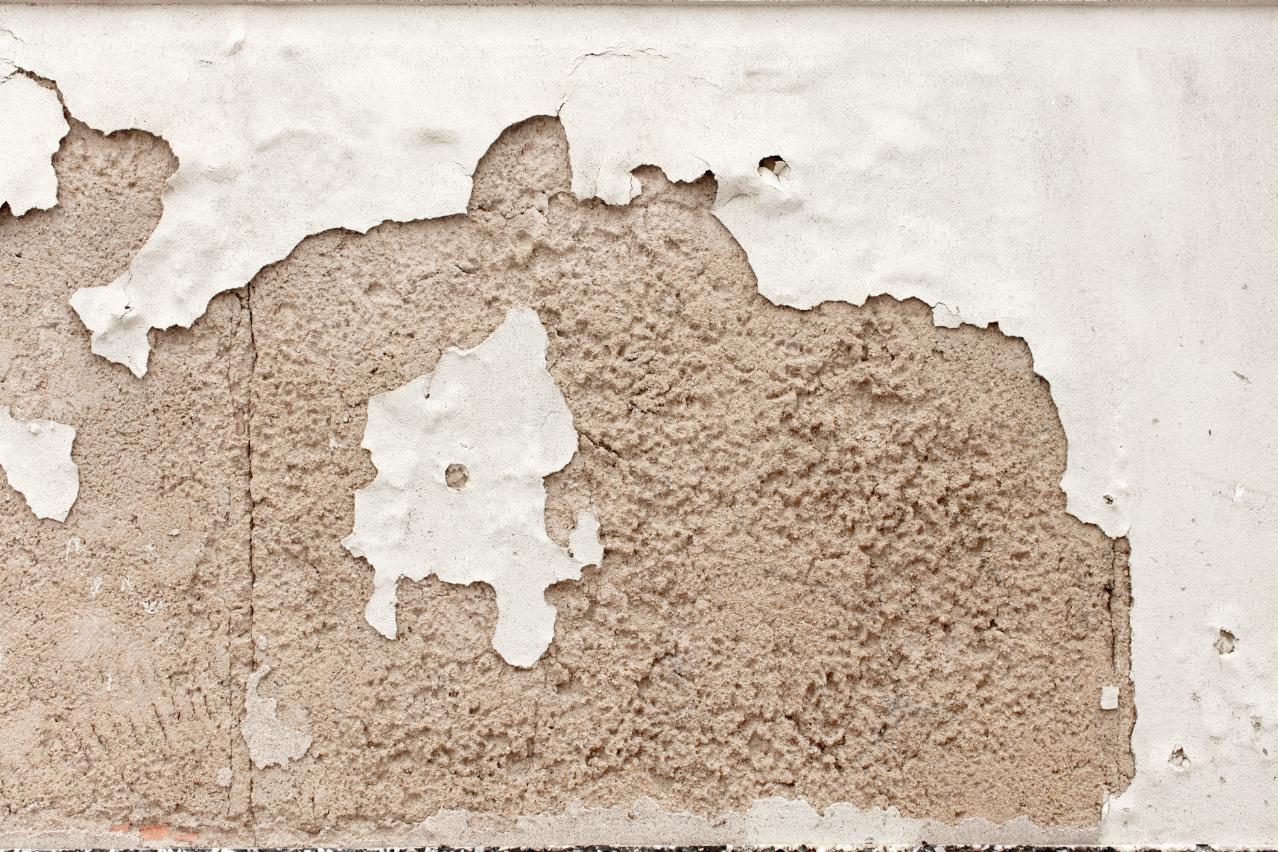
Concrete spalling is one of the most common and most disputed building defects in Singapore condominiums. Flaking concrete, exposed rebars, ceiling cracks, and falling debris don’t just look alarming—they raise urgent questions about safety, liability, and repair costs. If you’re dealing with cement ceiling repair issues in your condo, the big question is always the same: Is this the MCST‘s responsibility, or does the unit owner have to pay? This guide breaks it down clearly using Singapore law, real-world scenarios, and practical next steps, so you know exactly where you stand and what to do next.
Understanding BMSMA: Your Legal Rights and Obligations as a Condo Owner
What is BMSMA and Why It Matters
In Singapore, responsibility for concrete spalling repair is governed primarily by the Building Maintenance and Strata Management Act (BMSMA). This legislation forms the backbone of how maintenance obligations are divided between the Management Corporation Strata Title (MCST) and individual unit owners.
Under BMSMA, liability depends on whether the affected area is classified as common property or part of a private lot. The distinction seems straightforward on paper, but when you’re standing under a ceiling with exposed steel rebars and crumbling concrete, the answer isn’t always clear-cut.
The Simple Principle Behind Complex Disputes
The fundamental principle is simple: the MCST maintains and repairs common property, while individual owners maintain and repair their own units. However, ceiling slabs, beams, and areas affected by concrete spalling often sit in a grey area that leads to disputes, delayed repairs, and frustrated owners trying to navigate the bureaucracy.
Common Property vs. Private Property: Where Does Liability Start?
The Basic Rule: Structural vs. Finishing
Understanding the boundary between common and private property is critical when determining who pays for concrete spalling repair. The general rule is that structural elements—including slabs, beams, columns, and the structural portion of ceilings—are classified as common property and therefore fall under MCST’s purview.
On the other hand, finishing materials such as paint, skim coat, and false ceilings are typically considered part of the private lot and remain the owner’s responsibility. This distinction becomes crucial when assessing spalling damage.
When Spalling is Clearly MCST’s Responsibility
When concrete spalling involves exposed steel rebars, deteriorated concrete within the slab itself, or structural ceiling damage that compromises the building’s integrity, it almost always falls under MCST’s responsibility. The structural concrete and reinforcement bars are part of the building’s skeleton—they were there before any unit was sold, and they serve the entire building, not just one unit.
The Grey Area: When Disputes Arise
However, disputes frequently arise when the damage appears superficial. If spalling is limited to surface paint flaking or minor skim coat deterioration without any structural concrete involvement, MCSTs may argue it’s an owner maintenance issue. This is where proper professional assessment becomes invaluable. A qualified contractor or building surveyor can determine whether the damage extends to structural concrete or remains purely cosmetic—a distinction that can save or cost you thousands of dollars.
When Your Bathroom Leak Causes Downstairs Neighbour’s Ceiling Spalling
How Water Leakage Leads to Concrete Damage
This scenario represents one of the most common and contentious concrete spalling situations in Singapore condos. Water leakage from bathrooms, kitchens, or other wet areas doesn’t just damage finishes—it can cause rebar corrosion within concrete slabs, leading to spalling on the ceiling of the unit below.
When water repeatedly penetrates the concrete slab, it reaches the steel reinforcement bars embedded within. Over time, this moisture causes the steel to rust and expand. As the rebar expands, it exerts pressure on the surrounding concrete, causing it to crack, bulge, and eventually spall away.
Who Pays When the Leak Comes From Above?
In such cases, even though the ceiling slab itself is common property, liability may shift to the source of the leak. If investigations reveal that the water ingress originated from poor waterproofing in the upstairs unit’s bathroom or a defective plumbing fixture, the upstairs owner may be held responsible for the resulting damage.
In practice, this means the upstairs owner may be required to pay not only for fixing their own waterproofing issues but also for repairing the concrete spalling damage in the unit below. The MCST may still coordinate access to the affected areas and oversee the structural remediation work, but the financial responsibility falls on the party whose negligence or defective installations caused the problem.
Why Early Detection Saves You Money
This is precisely why early water leakage detection and proper maintenance are so critical. A small bathroom leak that costs a few hundred dollars to fix today can escalate into a multi-thousand-dollar concrete spalling repair claim tomorrow. Insurance claims often come into play in these scenarios, but insurers will scrutinize whether the leak resulted from lack of maintenance—which may not be covered—or from a sudden, unforeseen event.
Always document the source of any water leakage immediately, obtain professional leak detection reports, and act quickly. The longer water seeps into concrete, the more extensive the damage becomes.
Structural Beams and Spalling: Why MCST Must Pay (With Legal Precedents)
What BMSMA and BCA Say About Structural Elements
Under BMSMA and reinforced by numerous Strata Titles Board rulings, structural elements are almost always the MCST’s responsibility. This includes ceiling slabs, beams, columns, and all load-bearing concrete elements. The rationale is clear: these components are integral to the building’s structural integrity and serve the entire development, not just individual units.
Location Doesn’t Change Classification
Even if the spalling appears inside your unit and seems to affect only you, this doesn’t change the classification of the damaged component. Structural spalling does not equate to costs falling onto private property simply because the damage is visible within the boundaries of a particular unit.
MCSTs cannot legally shift the cost to owners merely because the damage manifests in a specific location. This position aligns closely with guidance from the Building and Construction Authority (BCA), which classifies structural concrete deterioration as a building-wide safety issue requiring prompt attention.
How Strata Titles Board Rules on These Cases
Several Strata Titles Board cases have reinforced this principle. When disputes arise, tribunals consistently rule that MCSTs cannot abdicate responsibility for structural repairs by claiming the damage is localized. The structural skeleton belongs to everyone—and to no one individually. It’s the MCST’s duty to maintain it.
However, owners should be prepared for the reality that even when liability is clear, getting MCST approval and action can take time. Council meetings, contractor quotations, budget approvals, and scheduling all add delays. Understanding the approval process and working cooperatively with your MCST can help expedite necessary repairs.
How to Document Evidence for MCST or Insurance Claims
Why Documentation Determines Your Success
Strong documentation often determines who pays for concrete spalling repair—and how quickly repairs happen. When you first notice spalling, your immediate priority should be creating a comprehensive record of the damage.
Essential Visual Evidence to Collect
Start with clear, well-lit photographs and videos showing the extent of the spalling from multiple angles. Capture wide shots that show the location within your unit, as well as close-up images that reveal details like exposed rebars, rust stains, or water marks. If possible, include something for scale in your photos, like a ruler or coin next to cracks.
Document any visible moisture or water intrusion. If you notice water stains, dampness, or active leaking, photograph this evidence immediately. Moisture is often the culprit behind concrete spalling, and proving water ingress strengthens your case for identifying the responsible party.
Professional Reports That Carry Weight
Obtain professional moisture readings or leak detection reports. Specialized equipment can detect hidden moisture within walls and ceilings that isn’t visible to the naked eye. These reports provide objective data that’s harder to dispute than visual observations alone.
Commission a contractor assessment that explicitly states whether the damage is structural in nature. A professional report should identify whether the spalling involves the structural concrete slab or beam, or whether it’s limited to surface finishes. This single determination often decides whether MCST or the owner bears responsibility.
Building Your Timeline and Paper Trail
Create a timeline showing when you first noticed the damage and how it has progressed. If the spalling has worsened over weeks or months, photographic evidence taken at intervals demonstrates the deterioration. This can be particularly important for insurance claims, which may require proof of when damage first occurred.
Keep copies of all correspondence with your MCST, managing agent, contractors, and neighbors. Email trails and written reports create an official record of your attempts to address the issue and the responses you received.
A comprehensive professional inspection report dramatically increases your chances of swift approval from MCST councils and insurers. It demonstrates that you’ve taken the matter seriously, obtained expert opinion, and are prepared to support your position with evidence.
Navigating the MCST Approval Process for Spalling Repairs
Why MCST Approval is Mandatory
For concrete spalling repair, MCST approval is often mandatory, especially when the work involves structural concrete, requires hacking or re-casting, or needs access to common areas. Attempting cement ceiling repair without proper approval can lead to disputes, stop-work orders, or liability issues later.
Step-by-Step: Getting Your Repair Approved
The typical approval process begins with submitting a detailed defect report to your managing agent. This report should include all the documentation you’ve gathered: photos, videos, professional inspection reports, and a clear description of the problem. Don’t assume the managing agent will inspect your unit immediately—make your submission comprehensive enough that the MCST council can understand the severity without a site visit.
Next, provide your contractor’s method statement outlining how the repair work will be conducted. The method statement should detail the scope of work, materials to be used, safety measures, timeline, and how access will be managed. MCSTs need to ensure that any works won’t compromise building integrity or affect neighboring units.
What Happens During the Waiting Period
After submission, you’ll need to await council approval. MCST councils typically meet monthly, though urgent matters can sometimes be expedited. During this waiting period, the council may request additional information, quotations from alternative contractors, or clarifications about the proposed methodology.
Once approval is granted, schedule the works with MCST supervision as required. Some MCSTs insist on having their appointed contractor or consultant oversee structural works. Others may simply require progress updates and completion certificates.
Tips for Smooth Approval
Throughout this process, maintain professional, written communication. Follow up politely but persistently if you don’t receive timely responses. If your managing agent is unresponsive, you have the right to escalate matters to the MCST council directly.
Remember that MCST approval protects everyone. It ensures repairs are done correctly, prevents unauthorized modifications that could affect building safety, and creates a proper record of maintenance works for future reference.
What to Do When MCST Refuses to Take Responsibility
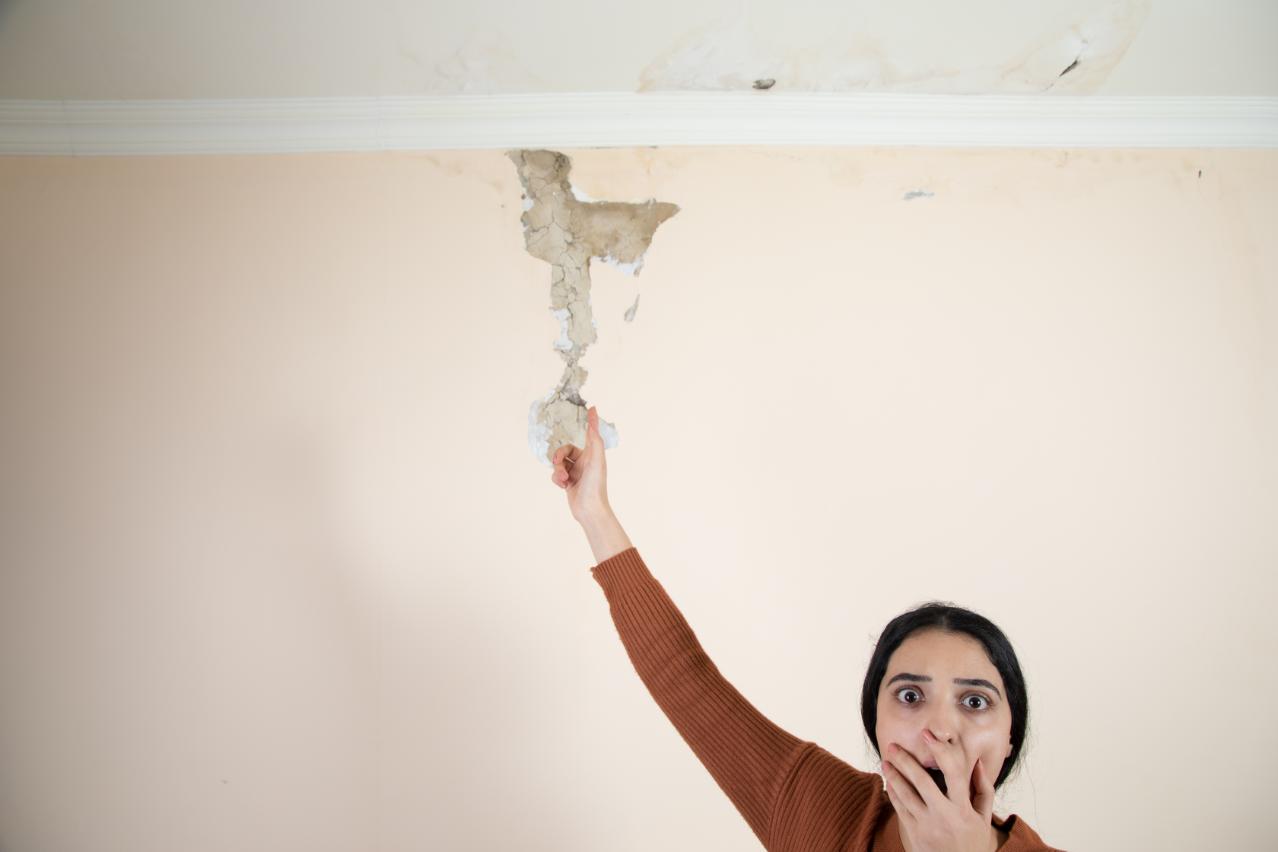
Understanding Why MCSTs Deny Liability
Despite clear legal obligations under BMSMA, some MCSTs attempt to deny liability for structural concrete spalling. This often happens when councils are concerned about budget constraints, when damage appears isolated to one unit, or when there’s confusion about whether the affected element is truly structural.
Your First Steps After a Refusal
If your MCST denies liability despite clear structural spalling, your first step should be requesting written reasons citing specific BMSMA clauses or by-laws that support their position. Vague refusals or verbal responses aren’t sufficient. You’re entitled to understand the legal basis for any decision affecting your property.
Submit an independent professional report if you haven’t already. Engage a qualified building surveyor, structural engineer, or specialist contractor to provide a written assessment clearly stating that the damage involves structural common property elements. Professional opinions carry significant weight and can prompt MCSTs to reconsider hasty denials.
Escalation Options: Mediation and the Strata Titles Board
If the MCST maintains their refusal despite professional evidence, escalate the matter to the Strata Titles Board. The STB provides mediation and adjudication services specifically for such disputes. Many owners hesitate to take this step, fearing it will damage relationships with their MCST, but the STB exists precisely to resolve these impasses.
Before proceeding to formal legal action, seek mediation. The STB offers mediation services that can help both parties reach agreement without the time and expense of a full hearing. Mediation has successfully resolved numerous spalling liability disputes, often resulting in cost-sharing arrangements or phased repair approaches that satisfy everyone.
Success Through Proper Documentation
Keep in mind that many MCST refusals are reversed once structural evidence is properly presented to the full council. Sometimes managing agents or individual council members make preliminary decisions without full information. Persistence, professional documentation, and clear communication often overcome initial resistance.
Frequently Asked Questions
1. What is concrete spalling, and why does it happen?
Concrete spalling happens when concrete breaks off due to rusting steel rebars inside.
It usually occurs when water enters the concrete and corrodes the reinforcement bars. As the steel rusts, it expands and pushes the concrete outward until it cracks and falls off. This is more common in Singapore due to high humidity, frequent rain, and waterproofing or drainage issues.
2. Who is responsible for ceiling spalling in a Singapore condo?
MCST is usually responsible if the spalling affects the structural slab or beam.
Under BMSMA, structural concrete is generally considered common property. However, if the issue is only surface-level (paint, plaster, skim coat), it may fall under the unit owner’s responsibility. If the damage is caused by leakage from another unit, the party responsible for the leak may be liable for costs.
3. Can I claim repair costs from my neighbour if their leak caused spalling?
Yes, if you can prove their leak caused the spalling.
You’ll need proper documentation such as leak detection reports, moisture readings, and professional assessments linking the leak source to the damage. Most cases are resolved through insurance or MCST mediation instead of legal action.
4. How much does concrete spalling repair cost in Singapore?
Minor spalling repairs usually cost around $800 to $2,000, but major repairs can exceed $10,000.
Pricing depends on the damaged area size, rebar corrosion level, accessibility, scaffolding needs, hacking and recasting requirements, and whether waterproofing or leak repair is also needed. Always compare at least 2 quotations.
5. Do I need MCST approval before repairing spalling in my unit?
Yes, MCST approval is usually required before doing spalling repairs.
This is because ceiling slabs are often structural and classified as common property. Repairs may affect safety, nearby units, and building compliance. Doing work without approval can lead to stop-work orders, disputes, or needing to redo the repairs.
Why This Matters: The Real Cost of Delayed Action
Structural Safety Compromised
Concrete spalling is not merely a cosmetic issue that can be postponed. Left untreated, it creates a cascade of problems that worsen over time and compound your costs.
First, untreated spalling compromises structural safety. As corrosion spreads along rebars, it weakens the structural capacity of slabs and beams. What begins as surface damage can progress to structural deficiency requiring far more extensive and expensive remediation.
Physical Danger to Residents
Second, spalling creates genuine falling debris hazards. Chunks of concrete falling from ceilings pose serious injury risks to occupants, particularly children and elderly residents. This isn’t just about property damage—it’s a safety issue that exposes owners and MCSTs to potential liability if someone is hurt.
Exponential Cost Escalation
Third, repair costs escalate dramatically when spalling is ignored. A $1,500 repair today can become a $15,000 structural restoration tomorrow. Once corrosion spreads extensively along rebar, simple patching is no longer sufficient—the entire section may require cutting out and re-casting with new concrete and reinforcement.
Legal and Insurance Complications
Finally, unresolved spalling triggers insurance and legal disputes. When damage has clearly existed for months or years without action, insurers may deny claims on the grounds of inadequate maintenance. Disputes between neighbors over who should have acted sooner create lasting friction and can even affect property values.
Understanding liability early prevents delays, finger-pointing, and unnecessary personal expenses. Whether you’re an owner facing spalling in your unit or an MCST council member trying to navigate your obligations, clarity about responsibility leads to faster resolution and better outcomes.
Our Professional Approach to Concrete Spalling in Singapore Condos
Comprehensive Diagnosis, Not Quick Fixes
At B4 Water Leakage, we specialize in providing comprehensive solutions that address both the symptoms and underlying causes of concrete spalling. Our approach goes beyond simply patching visible damage—we identify root causes, provide detailed assessments that withstand MCST scrutiny, and execute repairs that restore structural integrity.
Accurate Assessment Using Specialized Equipment
Our accurate concrete spalling diagnosis involves thorough investigation using specialized equipment to detect hidden moisture, assess the extent of rebar corrosion, and determine whether damage is truly structural or limited to finishes. We provide written reports that clearly state our findings and recommendations, giving you the evidence needed for MCST submissions or insurance claims.
BCA-Compliant Concrete Repair Methods
For cement ceiling repair work, we employ methods that comply with BCA guidelines and MCST requirements. Our repairs address the corroded rebar, ensure proper concrete cover, and include appropriate waterproofing to prevent recurrence. We don’t just cover up problems—we fix them properly.
Identifying and Eliminating Water Sources
Our water leakage detection services identify the moisture source driving spalling damage. Whether it’s failed waterproofing, plumbing leaks, or drainage issues, we pinpoint the problem so repairs address the cause, not just the consequence.
MCST Documentation That Gets Approved
We understand MCST-compliant repair methods and documentation requirements because we work with MCSTs across Singapore regularly. Our method statements, safety plans, and completion reports are prepared to meet council expectations, streamlining the approval process.
Most importantly, our reports are written to withstand MCST scrutiny. We know what councils look for, what questions they’ll ask, and how to present information that facilitates rather than complicates decision-making.
What You Can Do Next
If you’re facing concrete spalling repair issues and need clarity on responsibility, proper documentation, or compliant repairs that resolve the problem permanently, speak to specialists who understand both Singapore building law and real-world MCST processes.
Contact our team at B4 Water Leakage Specialist for a professional consultation. We’ll assess your specific situation, provide clear answers about liability, and deliver solutions that protect your investment and ensure your safety. Don’t let spalling damage worsen while you navigate bureaucracy alone. Get expert help that moves your repair forward efficiently and correctly.
